www.biogenie.net info@biogenie.net +62 813 1695 6009
Recycling Bin

What is BioGENIE® ?

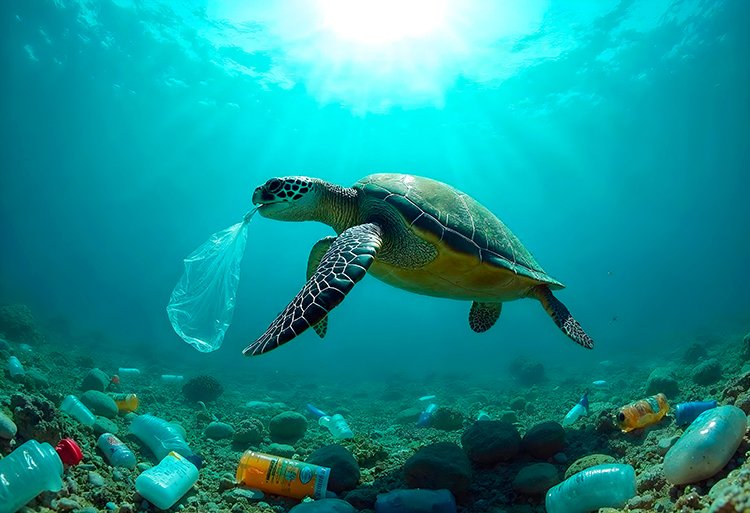
BioGENIE® is additive biodegradable plastics technology. BioGENIE® is a revolutionary plastic additive that significantly increases the biodegradation rate of traditional plastics to solve the global problem of plastic pollution. BioGENIE® is built on innovation, environmental friendly and sustainability.

View more

How BioGENIE Work

BioGENIE Content Mix Additives

BioGENIE Content Mix Additives

When exposed to UV sun light, the carbonyl groups from polymer will form free radicals along the poly merchain. These free radicals can then react with surrounding oxygen to initiate a chain scission reaction,leading to the breakdown of the polymer chain.


Aerobic Biodegradation

Aerobic Biodegradation

The Additive initiate the degradation in the presence of oxygen, moisture and soil bacteria. It will be attacked by micro-organisms which degrades the polymer chain to shorter segments of polymer chain. These chains are converted into functional group fragments biomass (humus) and form CO2 and water (H2O) as end product.


Anaerobic Biodegradation

Anaerobic Biodegradation

The Additive initiate the degradation without presence oxygen. It will be attacked by microorganisms which degrades the polymer chain to shorter segments of polymer chain.These chains are converted into functional group fragments biomass and form CO2 and methane (CH4).

BioGENIE Testing Certification

ASTMD 6954
ASTM D6954

(Aerobic Biodegradation & Soil Germination)

ASTMD 6954
ISO17899T:2022(ISO15985)

(Anaerobic Biodegradation)

ASTMD 6954
ISO 19679

(Aerobic Biodegradation in Seawater)

We use our research and development in biodegradation enhancing technology to help our customers to grow the business, without compromising the environment issue. We committed to reducing the amount of plastic waste pollution.

Our Brand Partners

Our customer loyalty is a testament to our unwavering commitment to providing exceptional products and services, building strong relationships, and consistently exceeding our customers' expectations.

BioGENIE® FAQ

BioGENIE® Plastic Additive Frequently Asked Questions

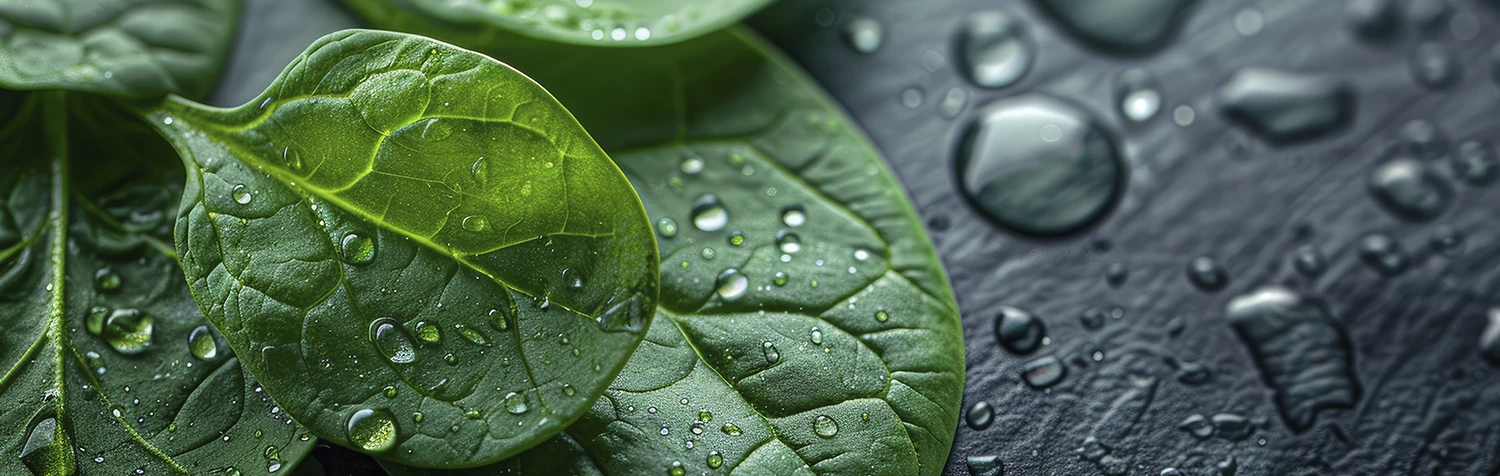
Leaf Detail

The active components of BioGENIE® facilitate the degradation of the polyolefins in Aerobic and Anaerobic conditions. When exposed to UV sun light, the carbonyl groups from polymer will form free radicals along the polymer chain. These free radicals can then react with surrounding oxygen to initiate a chain scission reaction, leading to the breakdown of the polymer chain. The Additive initiate the degradation in the presence of moisture and soil bacteria. It will be attacked by microorganisms which degrades the polymer chain to shorter segments of polymer chain. These chains are converted into functional group fragments biomass and form CO2 and H2O as end product aerobic biodegradation meanwhile form biomass, CO2 and Methane (CH4) for anaerobic biodegradation.

It will effectively accelerates degradation of polymers in the presence of UV sunlight. Biodegradation process within 24 months (presence of sun light and soil bury condition). For long life before use, end product should not be exposed to direct sunlight.

For a truly biodegradable BioGENIE® is the best technology. It is a proven, versatile technology that has many advantages over competing technologies. Oxo-degradable products will make polymer fragment into small pieces of plastic (microplastics) which is more pollutant. Bioplastic (PLA) production requires components sourced from food crops, which we feel should be eaten rather than used to make plastic. This material is touted as being compostable, but only composts in commercial/industrial grade facilities, which are unavailable in most areas.

BioGENIE® is not toxic and it is safe for use in food-contact applications. BioGENIE® is FDA compliant under 21 CFR US FDA 177.1520. The safe use of olefin polymers (like polypropylene, polyethylene) as basic components in food-contact articles, setting strict rules for their composition, manufacturing (including optional adjuvants), and performance (extraction limits, etc.) to ensure they don't migrate harmful substances into food, covering uses from general packaging to cooking applications, based on specific resin types and testing.

This additive should be kept in proper warehouse with good ventilation and avoid direct sunlight. Shelf life 24 months from production date. Always make sure to seal unused portions of the BioGENIE® additive due to its slightly hygroscopic nature. Always use in normal temperature process in PP, HDPE and LDPE or LLDPE.

Yes, it can be used. It is recommended to ensure the approved amount of material regrind is being added into the virgin resin.

There are no changes to the physical characteristics of plastic such as tensile strength, glass temperature, melting temp, transition rates, etc. We encourage customers to test the performance of BioGENIE® combined with specific materials.

It is a combination of both aerobic (with oxygen), UV sun light and anaerobic (without oxygen).

Biodegradation is a natural process where microorganisms break down materials into water, CO2, and biomass (natural organic matter) for aerobic and CO2, CH4,and biomass for anaerobic Biodegradation. While Oxo-degradation (or oxo-fragmentation) is a chemical process for plastics, using additives to rapidly break them into tiny plastic pieces (microplastics) that don't fully biodegrade, leaving plastic pollution behind. The key difference: Biodegradation is a complete, biological conversion; oxo-degradation is just fragmentation that creates microplastics, not true disappearance from the environment.

Environmental Impact: Biodegradable plastics return to nature; oxo-degradable plastics contribute to microplastic pollution.

Oxo-degradable is additives add into traditional polymers, making them susceptible to rapid degradation when in the presence of sunlight and oxygen. This process breaks the polymer chains into small pieces, causing the microplastic waste in the environment.

ASTM D 6954 : Aerobic Biodegradation and soil germination ISO 19679 : Aerobic Biodegradation in seawater ISO 17899 T:2022 : Anaerobic Biodegradation ISO 15985 : Anaerobic biodegradation method by analysis of released biogas

Products treated with BioGENIE® biodegrade as a result of microbial digestion. The process of microbial digestion can take place in either aerobic (with oxygen) or anaerobic (without oxygen) conditions. In aerobic microbial environments, the by-products will be carbon dioxide (CO ), water, and humus (biomass). Humus is the degraded organic material in soil, which causes some soil layers to be dark brown or black. For anaerobic microbial environments, the by-products will be carbon dioxide (CO2), methane (CH4), and humus (biomass).

Plastics treated with BioGENIE® require UV sunlight and an active microbial environment in order to biodegrade. An active microbial environment (landfill) is one that contains active fungal and bacterial colonies and would be extremely dirty in either aerobic or anaerobic conditions. This allows the microbes to colonize the plastic and begin to digest the polymer.

Aerobic biodegradation is the breakdown of organic matter by microorganisms in the presence of oxygen with by product CO2, water and Biomass. Anaerobic biodegradation is the breakdown of organic matter by microorganisms when oxygen is not present with by product CO2, methane or hydrogen sulphides and biomass.

Contact Us

If you have any questions, requests, or would like to learn more about our services, please feel free to contact us through the channels provided, and our dedicated team will be happy to assist you.

Location

PT. INCOPLAS
Millenium Industrial Estate,
Jl. Millenium Raya Blok A22 No.8, 
Cikupa Tigaraksa, Tangerang,Banten 
Indonesia

Website/eMail

www.biogenie.net
info@biogenie.net

Whatsapp

+62 813 1695 6009